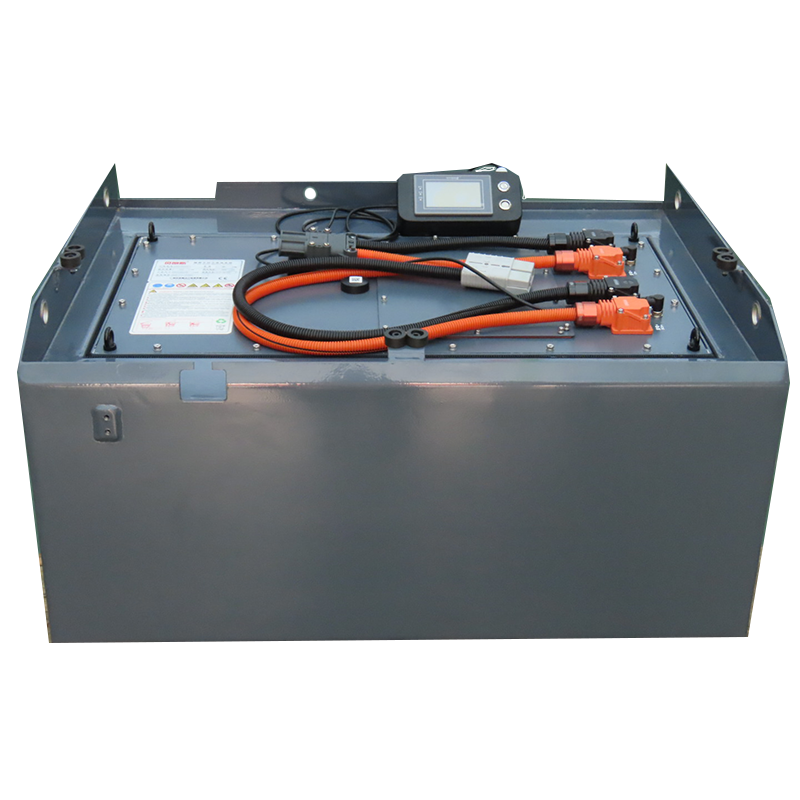
Green shipping policies open up new markets for lithium batteries as ship power
Time:2025-07-15 13:48:05
Browse:74
Under the global trend of energy conservation and emission reduction, the shipping industry, as a key area of carbon emissions, is facing unprecedented pressure and opportunities for green transformation.
Under the global trend of energy conservation and emission reduction, the shipping industry, as a key area of carbon emissions, is facing unprecedented pressure and opportunities for green transformation. In recent years, green shipping policies at home and abroad have been continuously strengthened, covering everything from carbon emission control to the elimination of old ships, from subsidy incentives to technological guidance, comprehensively promoting the shipping industry towards low-carbon and zero-carbon. The lithium electrification of ship power is becoming the core track to meet this transformation demand, giving rise to a huge emerging market, while also facing the real challenges of industry development.
Policy is the "commander" of industry transformation, and it is also the core driving force for the rise of the lithium battery market for ship power. At the international level, the International Maritime Organization (IMO) has clearly set emission reduction targets for the shipping industry and gradually tightened the limits on ship carbon emissions. Regional regulations such as the EU's "Maritime Fuel Regulations" have further refined the requirements for low-carbon. This is forcing the upgrading of ship power systems. At the domestic level, policies such as the "Implementation Rules for Subsidies for Old Operating Ships for Scrap and Renewal (Revised Edition)" have been successively implemented, not only expanding the subsidy scope for new energy ships, but also innovating the subsidy mechanism to lower the threshold for shipowners to update lithium battery-powered ships. Meanwhile, inland and coastal ports have also introduced restrictions and bans on emissions, prioritizing the passage and docking of electric ships.
Under the combined effect of multiple policies, the demand for lithium battery-powered ship power is rapidly being released. Currently, there are over 440 pure battery-powered ships in operation and under construction in China, mainly concentrated in short-distance scenarios such as inland river passenger transportation and port operations. As technology matures and policies guide, the lithium electrification pilot projects for cargo ships are also gradually advancing. From the perspective of market size, experts predict that by 2025, the penetration rate of lithium battery-powered electric ships in China will reach 20%, with a market size exceeding 55 billion yuan. By 2030, the penetration rate is expected to rise to 40%, with the market size doubling. Lithium battery enterprises, ship manufacturing enterprises, and supporting enterprises are all making arrangements, forming a diversified competitive market pattern.
While the industry is rapidly rising in the market, it also faces many questions. In light of policy guidance and market conditions, two core issues deserve in-depth discussion.
Question 1: In the context of policy acceleration, why can lithium battery-powered ship power become the core choice for green shipping transformation?
The answer is not accidental; it is the result of the synergy of three factors: technical compatibility, policy alignment, and cost optimization. From the technical perspective, lithium battery-powered systems have advantages such as high energy conversion efficiency, zero emissions, and low noise. Compared with traditional fuel-powered ships, they better meet the core requirements of green shipping. Moreover, China's ship-use lithium iron phosphate batteries have achieved breakthroughs, with energy density and safety reaching industry-leading levels, providing a solid foundation for lithium battery electrification of ships. From the policy perspective, current policies not only encourage lithium battery-powered ship transformation but also offer preferential treatment in subsidies, docking, and passage, reducing the investment and operating costs for shipowners. In the long term, the maintenance costs of lithium battery ships are much lower than those of fuel ships. As the lithium battery industry chain matures, battery costs continue to decline, and their overall lifecycle cost will gradually surpass that of traditional fuel ships, becoming the preferred choice for shipowners.
Question 2: Facing the broad market prospects, what bottlenecks does the lithium battery-powered ship power industry need to overcome to achieve large-scale development?
Although the market potential is huge, the lithium battery-powered ship power industry still faces three core bottlenecks that need to be overcome urgently. The first is the bottleneck of range and charging facilities. Currently, the energy density of ship-use lithium batteries is still lower than that of fuel, making lithium battery electrification difficult for long-distance shipping vessels, and the coverage of charging facilities at ports is low. The "ship without charging stations" problem restricts the development of the industry. The second is the bottleneck of standards and norms. Currently, there are no unified industry standards for the design, production, installation, and operation of ship power lithium batteries. Different enterprises' product specifications are not uniform, affecting the large-scale application and later maintenance. The third issue is the bottleneck in industrial chain collaboration. The lithium electrification of ships involves multiple links such as battery production, ship modification, and charging infrastructure construction. Currently, there is insufficient collaboration among these links, and some core components still rely on external sources. It is necessary to further improve the industrial chain layout and enhance the ability of self-control.
Overall, the strengthening of green shipping policies has opened up a broad space for the lithium battery-powered ship market. Lithium electrification has become an irreversible transformation trend in the shipping industry. Currently, market demand has gradually been released, technological innovation is continuously advancing, and policy support is constantly strengthening. Although there are still many bottlenecks, with the collaborative efforts of all parties in the industry, breaking through technical and regulatory barriers, improving supporting facilities, the lithium battery-powered ship industry will surely achieve large-scale and high-quality development.
For lithium battery enterprises, they need to focus on the demand of the ship industry, increase investment in technological research and development, and optimize battery performance and costs. For ship enterprises, they should accelerate the research and development and transformation of lithium battery ships, and adapt to policies and market demands. For relevant departments, they need to further improve the policy system, accelerate the formulation of industry standards and the construction of charging infrastructure, and promote the collaborative development of the industrial chain. With the joint efforts of all parties, the lithium battery-powered ship industry will continue to empower the green shipping transformation and open a new chapter for the zero-carbon development of the shipping industry.